We finish things
A case we open, we carry. If we cannot carry it, we say so before anybody starts hoping.
Pangaea Continental is a Dutch-registered foundation working across Europe on the protection, enforcement and rescue side of wildlife law. Small, unusually stubborn, and funded by people who want a particular case finished.
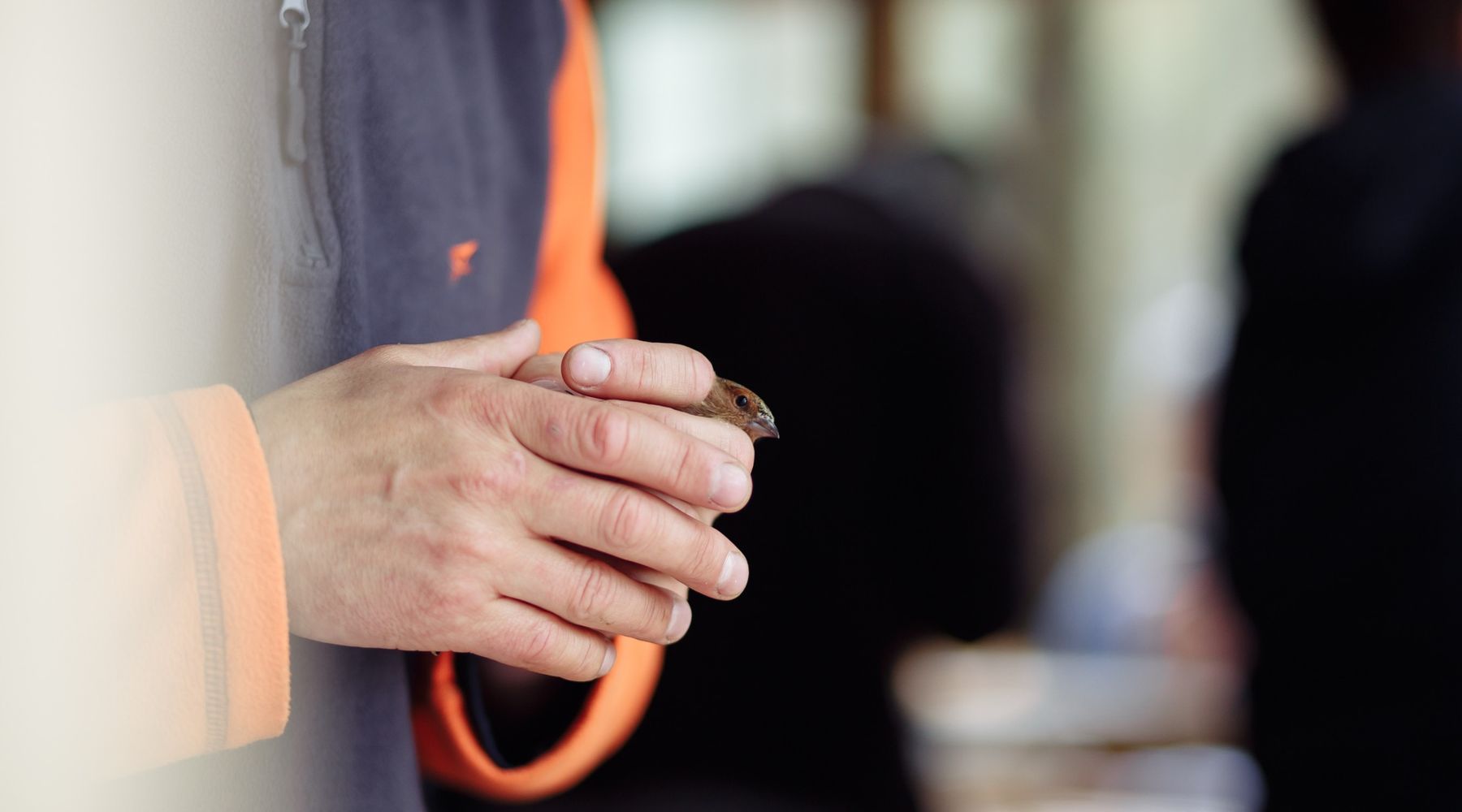
In 2013 an eastern imperial eagle was found poisoned on a Hungarian estate. The bird was ringed, so its whole life was on record. The file sat unopened for eleven months because nobody could pay for the toxicology and nobody could translate the veterinary report. Two of the people who eventually paid for both went on to start this organisation.
We registered in Nijmegen in 2016 with three staff and one car. There are now standing operations in six countries and casework coming in from eight more. We have never grown faster than we could keep promises, which is why the team page is short.
Roughly two thirds from private donors and foundations, the rest from project contracts with national parks and provincial governments. We take no money from anyone with a stake in the outcome of a case we are working. That rule has cost us more than one grant and we have kept it.
How we got here
A poisoned imperial eagle in Hungary, a file left unopened, and two people who paid for the lab work themselves.
Three staff, one vehicle, and a mandate limited to species listed in the Habitats and Birds Directives.
A Bulgarian poisoned bait case ends in a suspended sentence and, more usefully, a precedent on evidence handling.
Standing patrols in Romania, Spain, Bulgaria, Greece, Poland and Portugal.
Twenty-seven vets and handlers on call across the regions we work.
9,300 hectares under signed long-term protection with private landowners.
A case we open, we carry. If we cannot carry it, we say so before anybody starts hoping.
Every operation is led by people who live there. We bring money, lab access and lawyers, not opinions about how a valley should be run.
A photograph on social media closes doors. The same photograph, timestamped and handed to a prosecutor, opens them.
Twenty-nine people. We would rather turn work down than run a case badly.
We do not publish the faces of the people doing this work and we do not dramatise it. Both make the job harder.
Annual accounts, case outcomes and the ones we lost, published every March.
If you have seen something, hold evidence, or work somewhere that touches this, we would rather hear it early than read about it later.
Contact us