Field protection
Standing patrols at nest sites, dens and stopover wetlands during the months an animal is most likely to be killed. Camera traps, night shifts and a radio link to the local police.
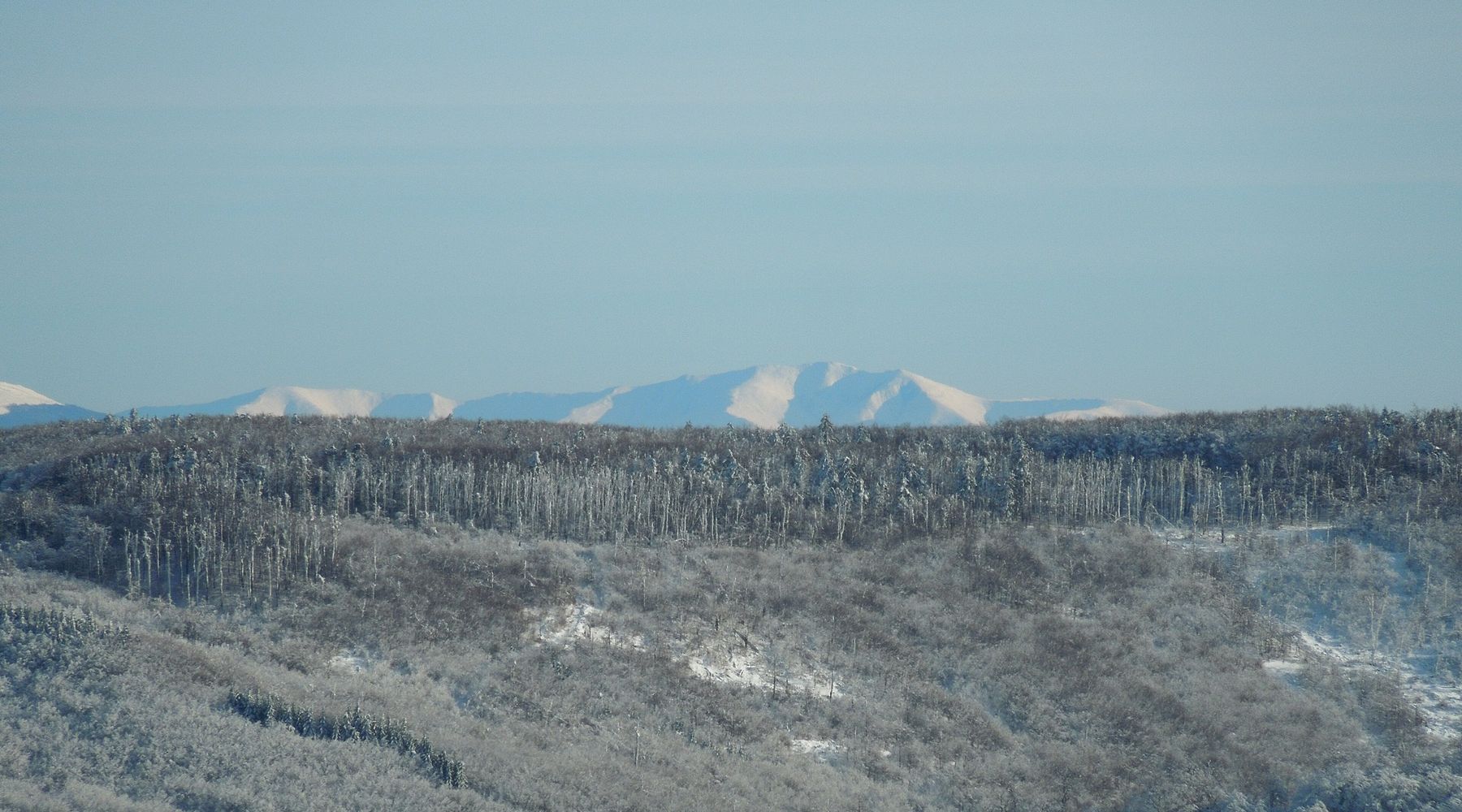
Pangaea Continental patrols nesting and denning sites, builds criminal cases against poisoners and traders, and gets injured animals out of the field alive. Fourteen countries, twenty-nine people.
Why we exist
The Habitats and Birds Directives list hundreds of species that nobody in the EU may kill, capture or trade. Enforcement is left to member states, where it competes with everything else a police force has to do. We fill that gap: we work with rangers, landowners, vets and prosecutors, and we pay for the parts of a case nobody budgets for. The toxicology report. The translation. The six months of waiting.
Last year, in the field
Wildlife crime is low priority almost everywhere, and the files show it: no forensic budget, no specialist, no translator when the suspect and the evidence sit in different countries. We are usually the only party that stays with a case from the first dead bird to the verdict. That work is slow and unglamorous, and it is most of what we do.
What we do
Standing patrols at nest sites, dens and stopover wetlands during the months an animal is most likely to be killed. Camera traps, night shifts and a radio link to the local police.
We collect and preserve evidence to a standard that survives a courtroom, pay for the toxicology and ballistics regional forces cannot, and stay with the file until there is a decision.
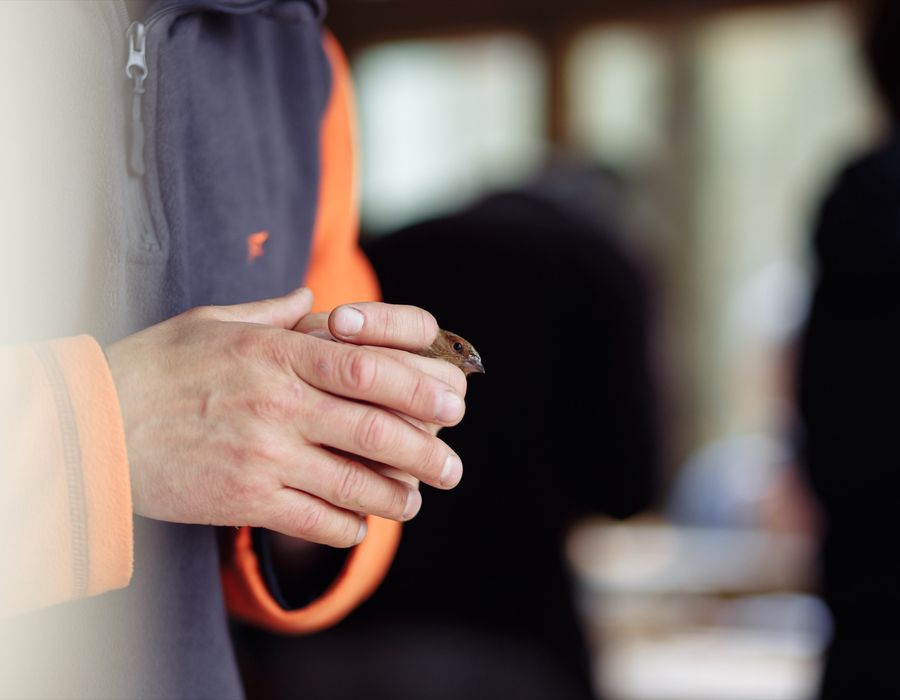
A vet on call in every region we work. Animals out of nets, snares, glue traps and poisoned baits, treated and returned to the wild where the law and their injuries allow.
Long-term deals with farmers, foresters and hunting estates. Money and labour in exchange for leaving a strip, a wood or a wetland alone.
Where we work
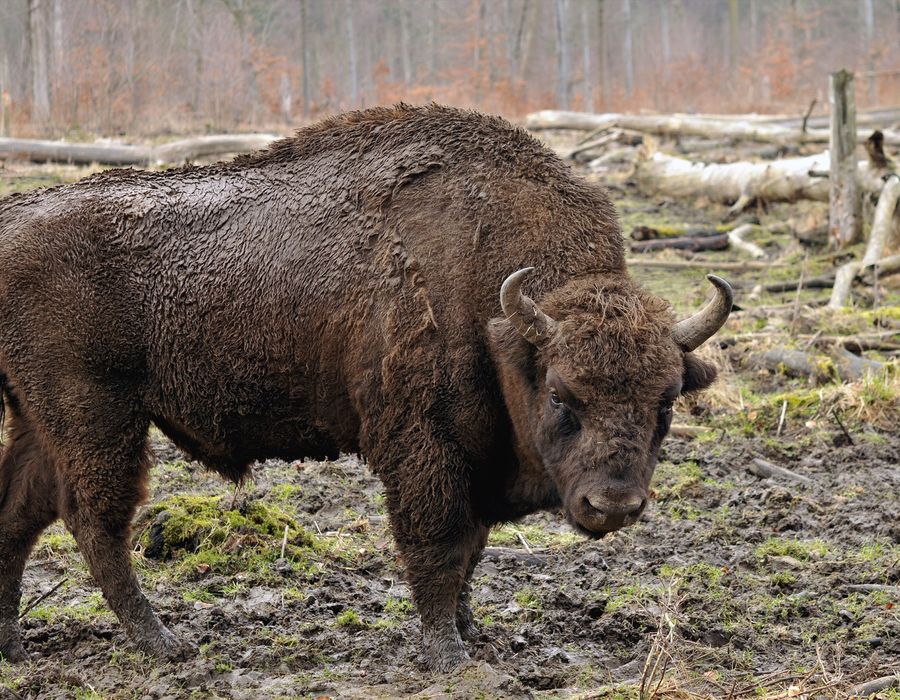
Carpathians and Bialowieza
Fewer than 8,000 alive. We monitor the free-ranging herds in Romania and respond when animals stray onto farmland, before somebody else decides how to handle it.
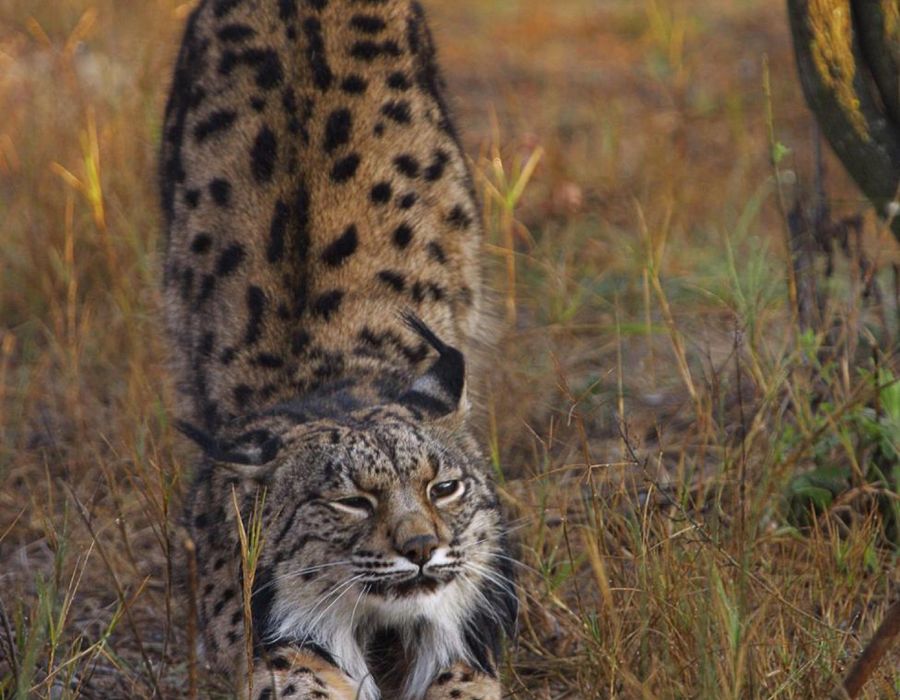
Andalusia and Extremadura
Back from 94 animals, and still dying in snares set for something else. We clear traps, prosecute the people setting them and pay for the road underpasses that actually work.
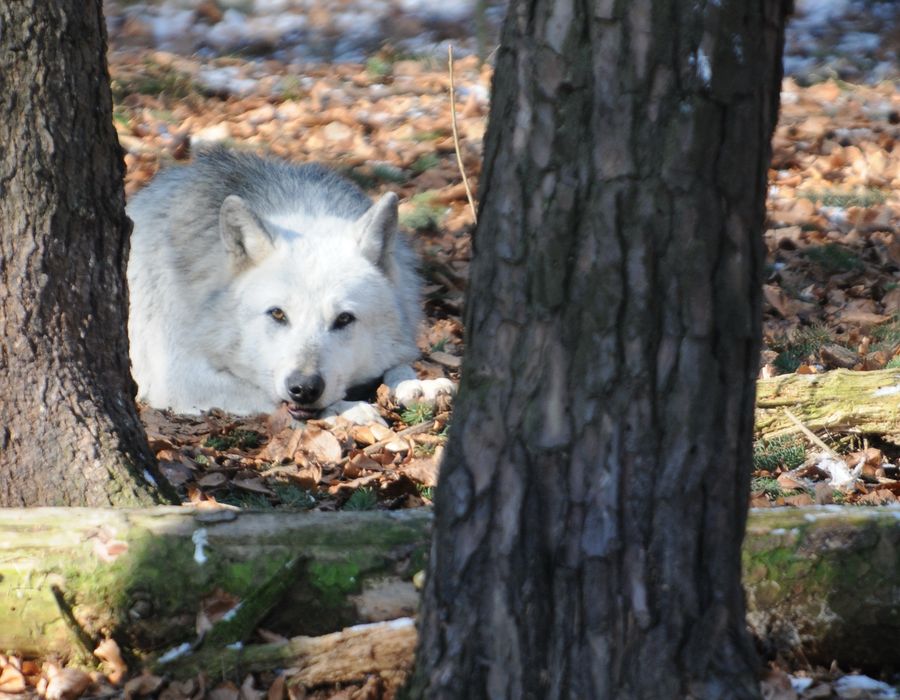
Alps, Carpathians, Iberia
Legally protected and routinely poisoned. Most of our criminal casework starts with a wolf carcass and a toxicology bill nobody wants to pay.
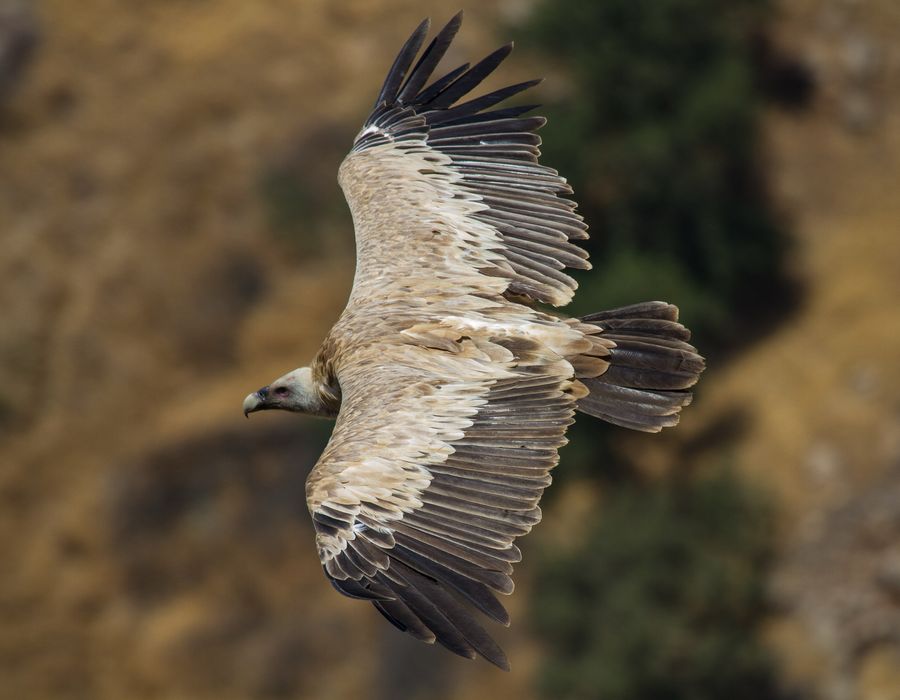
Balkans and Pyrenees
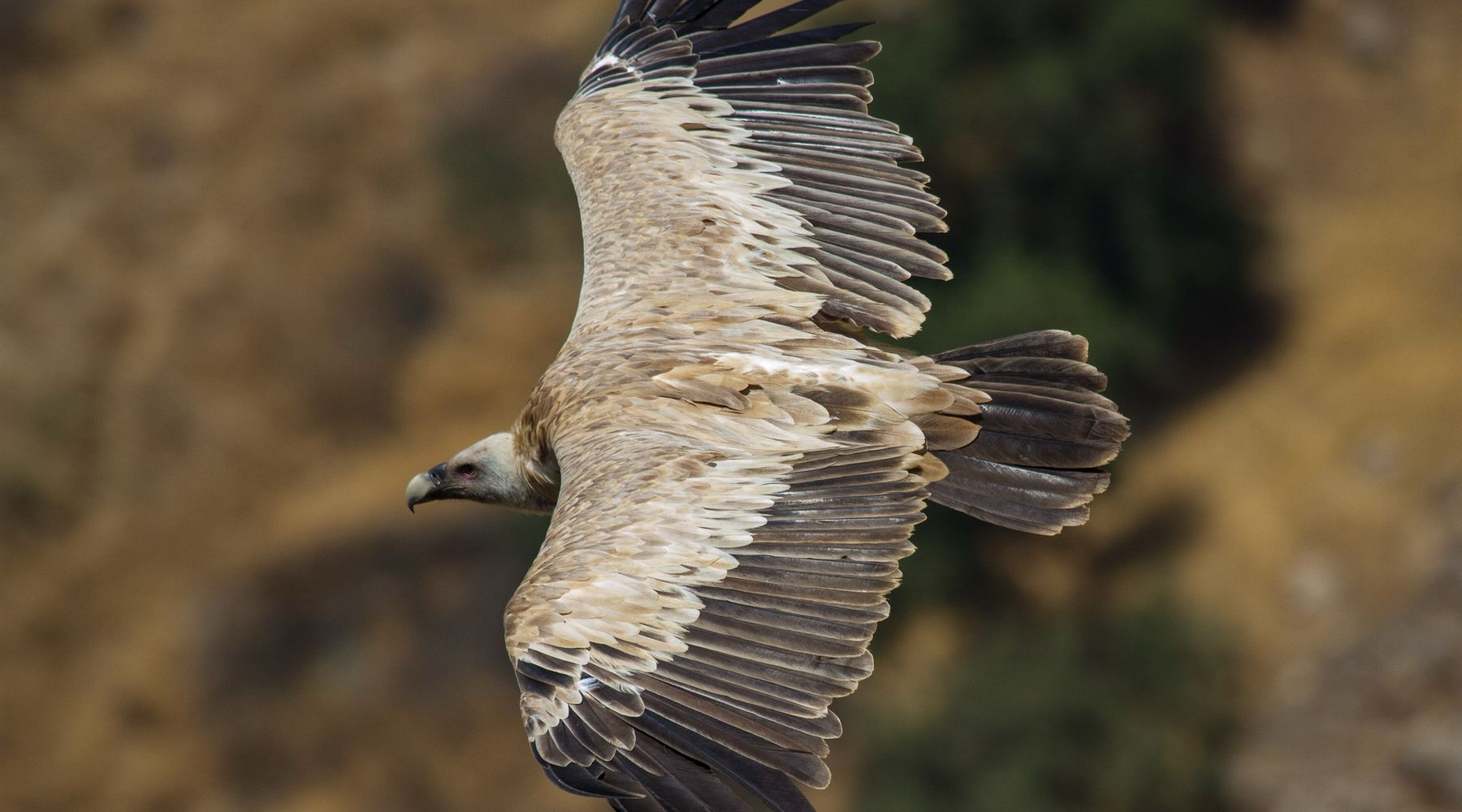
Vultures die of whatever the last animal was poisoned with. We track baiting patterns and run the feeding sites that keep birds off contaminated carcasses.
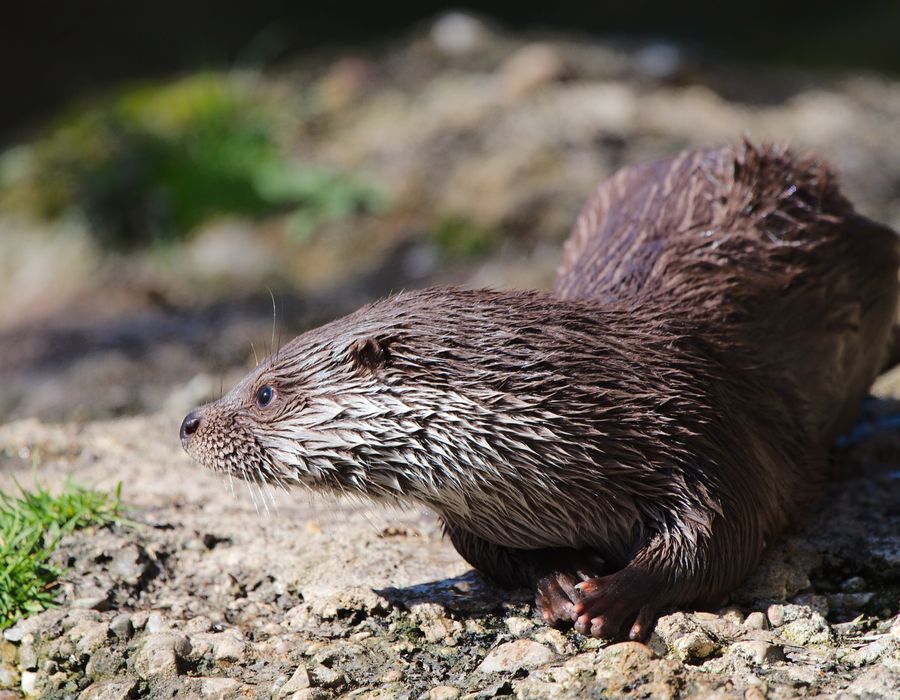
Danube basin and the Netherlands
Killed on roads and in illegal fyke nets. We map the black spots, get the nets pulled, and push for the culverts that keep otters out of traffic.
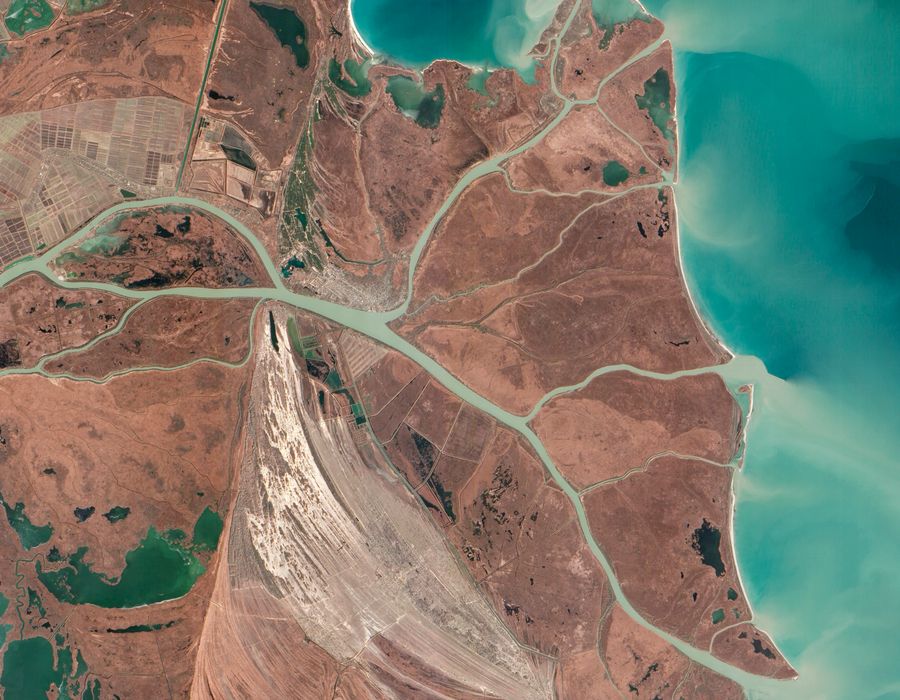
Romania and Ukraine
A third of our work happens here. Sturgeon poaching, bird trapping and drainage in one place, plus a border that criminals use freely and investigators do not.
Poison degrades, nests fail and carcasses disappear. A short message today is worth more to a case than a full report in a month.
Contact the office